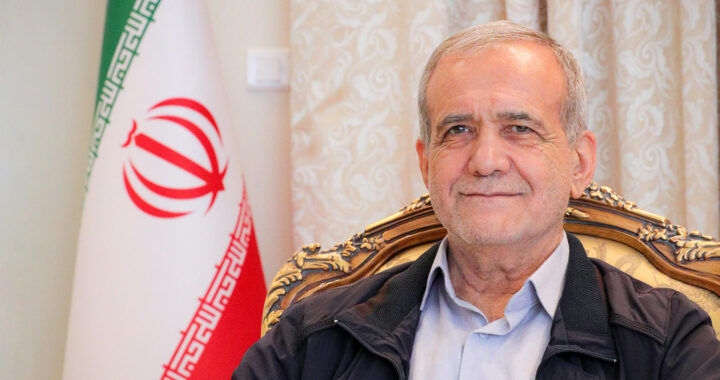
The Islamic Republic of Iran faced an existential crisis and a power vacuum following relentless aerial bombardment by the combined forces of the United States and Israel since 28 February 2026 and the death of former Supreme Leader Ayatollah Ali Khamenei.
But the expected internal collapse of the Iranian state did not materialize as many Western analysts had predicted. The remaining political and military elite began to consolidate their authority with surprising speed, rather than fracturing under the immense external pressure.
The interim leadership council quickly assumed control of the national security apparatus to prevent domestic chaos. This body included the current President and several high-ranking commanders from the powerful Iranian Revolutionary Guard Corps.
Specifically, rather than pleading for a cessation of hostilities, the new Iranian leadership adopted a stance of fierce defiance. They fundamentally rejected the idea of a temporary ceasefire, and labeled such an agreement as a strategic trap designed by their many enemies.
Deputy Foreign Minister Kazem Gharibabadi voiced this new position during a press conference in Tehran. He stated that Iran would only consider a permanent deal that included a formal and binding guarantee against any future American military incursions.
The Speaker of the Parliament, Mohammad Ghalibaf, echoed this sentiment through official state media channels. He declared that Iran was no longer seeking a diplomatic exit but was instead focused on delivering a proportionate and immediate military retaliation.
Note that the pronouncements were accompanied by a direct threat to global energy markets and international shipping lanes. The Revolutionary Guard announced a total ban on any vessels associated with the U.S. or Israel passing through the Strait of Hormuz.
Moreover, to complicate the international response, Iran demanded that neutral nations expel U.S. and Israeli diplomats. Only by taking such drastic political actions could these countries ensure the safe passage of their commercial tankers through the Strait.
The economic implications of this maritime blockade sent shockwaves through the global financial system almost immediately. Specifically, since 20 percent of the global petroleum supply flows through this narrow waterway, the risk of a global energy crisis became very real.
Note that dozens of members of the United Nations Security Council sponsored resolutions to condemn the actions of the Iranian regime. But the re-emerging leadership in Iran seemed unfazed and completely indifferent to these formal international censures.
President Masoud Pezeshkian, who is often viewed as a moderate voice, surprised many observers with his harsh rhetoric. He emphasized that while foreign aggressors might come and go, the fundamental spirit of the Iranian nation would remain forever unbroken.
Photo Credit: Khamenei.ir / 2024 / Adapted / CC BY 4.0 International