Hydrogen is celebrated as a fuel for energy because it only emits water vapor when burned. But according to a study by the Global Carbon Project, which was led by Andy Witshire and was published on 17 December 2025 in Nature, it is not entirely climate-neutral.
Specifically, when hydrogen gas escapes into the atmosphere, either through natural processes or industrial leaks, it triggers chemical reactions that exacerbate the greenhouse effect.
The researchers found that hydrogen interacts with hydroxyl radicals. These radicals break down methane, a potent greenhouse gas, in the atmosphere. However, because hydrogen reacts with these hydrogen radicals, there are fewer of them available to clean up methane.
Hydrogen emissions rose significantly between 1990 and 2020. The researchers further found that these emissions contributed approximately 0.02°C to the total global temperature increase.
The study attributes the majority of this rise in hydrogen to human activities, including industrial processes, in fuel cells and energy storage, and as rocket fuel, rather than natural cycles.
Hydrogen and methane are also chemically intertwined in the atmosphere. When methane breaks down in the atmosphere, it actually produces hydrogen. The rise in atmospheric hydrogen is linked to the increase in methane emissions from fossil fuels, livestock, and landfills.
The gas also helps produce other greenhouse gases. These include stratospheric water vapor and tropospheric ozone. It also influences the formation of heat-trapping clouds.
Note that the study points to industrial leaks as a growing source of atmospheric hydrogen.
Most hydrogen today is produced from coal or natural gas in energy-intensive processes that release massive amounts of carbon dioxide into the atmosphere.
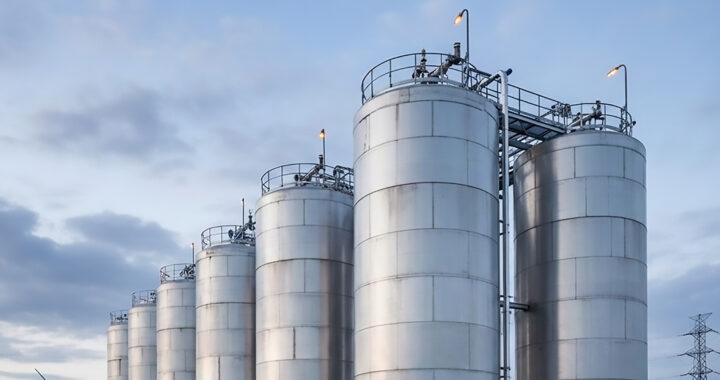
In addition, because hydrogen molecules are small and prone to leaking from pipelines and storage containers, a massive hydrogen economy could inadvertently increase atmospheric hydrogen levels unless leak-prevention approaches and standards are prioritized and observed.
FURTHER READING AND REFERENCE
- Ouyang, Z., Jackson, R. B., Saunois, M., Canadell, J. G., Zhao, Y., Morfopoulos, C., Krummel, P. B., Patra, P. K., Peters, G. P., Dennison, F., Gasser, T., Archibald, A. T., Arora, V., Baudoin, G., Chandra, N., Ciais, P., Davis, S. J., Feron, S., Guo, F., … Wiltshire, A. 2025. “The Global Hydrogen Budget.” Nature. 648(8094): 616–624. DOI: 1038/s41586-025-09806-1