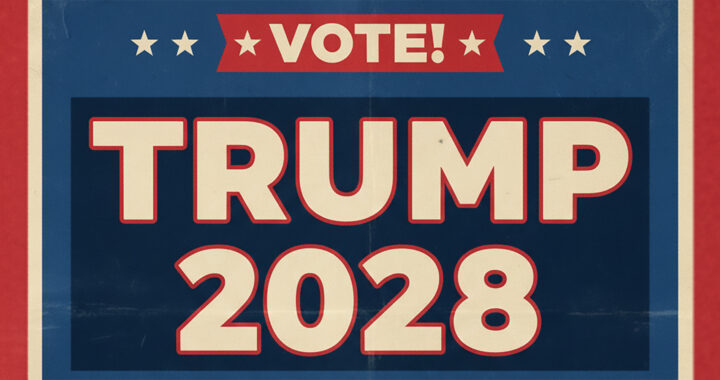
United States President Donald Trump made a humorous proposal to rename the Republican Party on a social media post. He specifically posted an AI-generated image on the Truth Social platform on 29 November 2025. The image features a campaign sign reading TRUMP 2028, signaling what could be a bid for a third term in 2028.
In the post, Trump suggested the term TRUMPLICANS as a new label for supporters. The idea follows earlier suggestions, including TEPUBLICAN and TPUBLICAN, which he described as representing TRUMP REPUBLICANS, whom he said constitute almost all party members. The posts emphasize alignment with his personal brand over party ideology.
Most would consider the post and messaging an attempt by Trump to consolidate loyalty within the Republican Party. Specifically, by proposing a rebranded name, Trump appears to distinguish supporters who embrace his identity from those who do not. Note that personalizing party branding is an unusual strategy in American political history.
What is clear is that the effort underscores his growing focus on personality-centered politics. To be particular, by prioritizing personal allegiance over institutional ideology, Trump appears to reinforce a leader-centric model of party identity. However, this could backfire, since polls and other data sources reveal deepening fracturing within the Republican Party.
The POLITICO Poll and Public First found that more than 30 percent of Republican voters do not consider themselves aligned with the MAGA movement. Pew Research Center data showed that 55 percent of Hispanic Republicans believe that the immigration and economic policies of Trump and his entire administration are hurting or harmful to their group.
Moreover, during the November 2025 off-year election, which has been largely considered a blue wave election because of the various gains by the Democratic Party in several governmental posts at the local governance and state levels, a considerable number of Hispanic voters geared hard away toward the Republican Party to switch to the Democratic Party.
Trump simultaneously teased the possibility of a 2028 presidential campaign in the same posts that generated speculation despite constitutional limitations. The 22nd Amendment to the Constitution bars any individual from being elected president more than twice. Trump agreed to this barrier during an October 2025 public appearance aboard Air Force One.
The idea of him seeking a third presidential term has surfaced largely due to his continued centrality among the Republicans and persistent public speculation surrounding his political plans. No legal workaround exists that would allow him to serve a third term. The 22nd Amendment can be theoretically amended, but the process will be difficult.
Some supporters have speculated about indirect methods, such as running as vice president and assuming the presidency after the election, or leveraging political influence in other roles, but these approaches carry significant constitutional, legal, and political challenges. It is possible that some figures within the Republican Party will block attempts at circumvention.