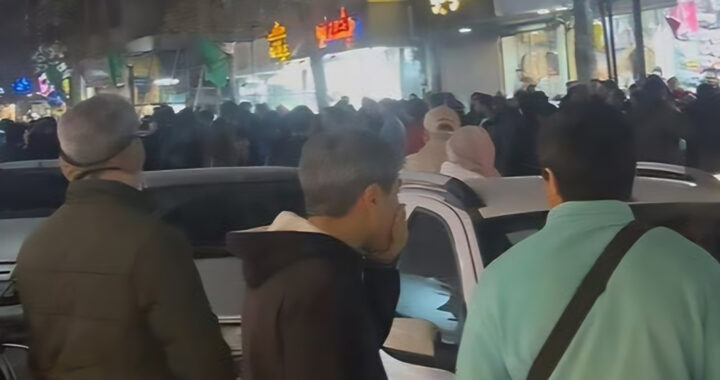
Iran is plunged into a nationwide communication blackout beginning on the evening of 8 January 2026 as mass anti-government protests spread across the country. The national demonstrations ensued after Reza Pahlavi, the exiled son of the late Shah of Iran who is now living in the United States, called for the protests to continue until Friday.
Call For Mass Demonstrations and Communication Blackout
The exiled prince, via a recorded video that was distributed on platforms like Instagram, Telegram, and X, urged Iranians to reclaim their country from the ruling clerical establishment. His message resonated deeply with a population increasingly weary of decades of strict religious rule and the lack of basic political freedoms.
Pahlavi also utilized influential Persian-language satellite channels such as Iran International and Manoto TV. These networks, which are broadcast from London and Washington, are widely watched via illegal satellite dishes across Iran and serve as a primary channel for his message to reach those without reliable internet access.
As part of its direct response to the growing civil unrest, the government of Iran implemented a total communications blackout across the capital. Internet monitors reported that connectivity dropped significantly by noon, effectively silencing protesters who were attempting to share live videos of demonstrations across the country.
Mobile phone networks and landline services were also systematically disabled in several major urban centers. Reports indicate that the Iranian government used these aggressive tactics to prevent protesters from organizing further and coordinating their movements, and to also hide the scale of the ongoing disruption and violence.
Economic Downturns Amidst Iranian Foreign Intervention
Security forces, including the Basij militia, a paramilitary volunteer within the Islamic Revolutionary Guard Corps, were deployed in heavy numbers to central squares in Tehran. Eyewitness reports that tear gas was used to disperse crowds gathered near the University of Tehran, where protesters chanted slogans against the supreme leader.
Economic grievances remain a primary driver for the hundreds of thousands currently taking to the streets. The Iranian rial has plummeted to historic lows against the dollar, making basic goods like bread and medicine unaffordable for the average working family, while oil revenues have not been used for sustainable growth.
The domestic instability also arrives during a period of extreme geopolitical tension in the Middle East. The involvement of Iran in the Israel-Hamas war has drawn heavy international scrutiny due to its support of regional proxies. Its nuclear program continues to be a critical point of contention with global powers like the United States.
Critics of Iranian Supreme Leader Ali Hosseini Khamenei and his regime argue that vast national resources are being diverted to military projects. They claim that while the government funds foreign conflicts, the domestic infrastructure is crumbling and the Iranian people are facing unprecedented and devastating poverty.
FURTHER READINGS AND REFERENCES
- Fassihi, F. 7 January 2026. “Protests Spread in Iran, and Crackdowns Escalate.” The New York Times. Available online
- Gambrell, J. 9 January 2026. “What to Know About the Protests Shaking Iran as Government Shuts Down Internet and Phone Networks.” Associated Press. Available online
- Gritten, D. 8 January 2026. “Footage Shows Violent Clashes as Iran Protests Spread to More Areas.” BBC. Available online
Photo Credit: Tasnim News Agency / 2026 / Adapted / CC BY-SA 4.0 International