Donald Trump issued a stern warning to ExxonMobil on 11 January 2026. The U.S. president expressed deep frustration with the hesitant approach of the oil giant and threatened to block it from future energy projects in Venezuela.
Aggressive Demand
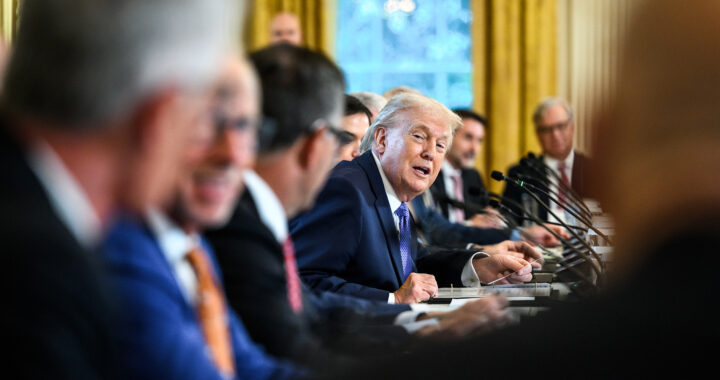
The issue emerged following a high-profile White House summit held on January 9. Trump gathered over a dozen top oil executives, including leaders from Chevron and ConocoPhillips, to discuss the immediate future of the Venezuelan energy sector.
Trump explicitly demanded that these private corporations commit 100 billion U.S. dollars of their own capital. This investment is intended to revitalize the crumbling oil infrastructure left behind after the recent Operation Absolute resolve U.S. military intervention.
An 18-month production timeline was laid down by the second Trump administration. Chevron noted that it is prepared to increase output quickly. Note that Chevron is the only U.S. oil firm currently active in Venezuela via joint ventures with state-owned firms.
ExxonMobil chief executive Darren Woods reportedly pushed back against the aggressive demand. He characterized Venezuela as currently “uninvestable” due to the unstable legal frameworks and the history of asset seizures under the former Maduro government.
The U.S. president was visibly offended by this cautious corporate stance. While traveling aboard Air Force One on January 11, Trump told reporters that he would likely keep ExxonMobil out of the country entirely. “They are playing too cute,” he remarked.
The Great Energy Deal
Woods defended the position of his company by highlighting the significant risks involved. His company has had its assets nationalized twice in Venezuela over the past two decades. He insisted that major legal reforms must occur before they can safely return.
ExxonMobil is specifically seeking durable investment protections and a clean slate regarding billions in outstanding debt. The company argues that the hydrocarbon law in Venezuela needs a complete overhaul to ensure the protection of company-owned assets.
Trump asserted that oil companies would be negotiating directly with the U.S. government and noted that his administration now controls access to Venezuelan fields. He warned that “25 other people” are ready to take the place of ExxonMobil.
It appears that the U.S. government intends to manage the oil production in Venezuela indefinitely to recover the costs of military intervention. The “Great Energy Deal” of Trump aims to stabilize the region while lowering domestic energy prices for American consumers.
The U.S. president signed a new executive order on January 11 to secure the plan. This is intended to prevent any international creditors or courts from seizing Venezuelan oil revenue held in U.S. Treasury accounts, thus ensuring the money remains under U.S. control.
FURTHER READINGS AND REFERENCES
- Dang, S. 13 January 2026. “ExxonMobil Still Interested in Venezuela Visit Despite Trump Rebuke.” Reuters. Available online
- Kim, S. M. 11 January 2026. “Trump Signs Executive Order Meant to Protect Money from Venezuelan Oil.” The Associated Press. Available online
- Woods, D. 9 January 2026. “Our Perspective Regarding the Situation in Venezuela as Shared with President Trump.” ExxonMobil. Available online