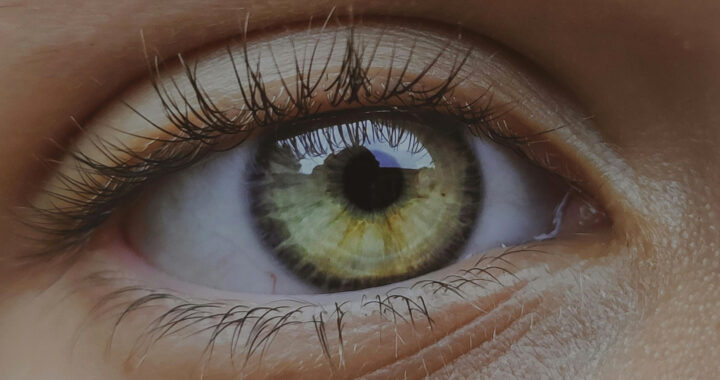
A comprehensive study published in the British Journal of Ophthalmology in March 2026 found that users of the GLP-1 receptor agonist Wegovy, which is often prescribed for weight loss, face a significantly higher risk of sudden vision loss than individuals who take Ozempic, which is often prescribed for type 2 diabetes.
The aforesaid specific type of vision loss is known as non-arteritic anterior ischemic optic neuropathy or NAION. Physicians often refer to this condition as an eye stroke. It occurs when the vital blood supply to the optic nerve is suddenly and severely restricted.
Researchers M. Lakhani et al. analyzed adverse event reports submitted to the United States Food and Drug Administration between 2017 and 2024. They found varying levels of risk based on the specific medication or the specific brand of the GLP-1 medication:
• Wegovy: This brand of semaglutide had the strongest association with NAION. Those on the highest approved dose of 2.4 mg weekly injection were five times more likely to develop the condition than users of Ozempic.
• Ozempic: However, while this medication also contains semaglutide, the lower dosages, which are at 0.25 mg per week, and its use for diabetes management showed a significantly lower risk profile than Wegovy.
• Rybelsus and Mounjaro: The study found no increased risk associated with Rybelsus, the tablet form of semaglutide, and Mounjaro, another injectable brand of GLP-1 receptor agonist with the generic name tirzepatide.
Why is there a difference in risk? Note that the different medications have different dosages and formulations. Researchers believe that the specific disparity in risk between Wegovy and the other drugs comes down to dosage and delivery. Below are the details:
• Higher Dosage: Wegovy uses a higher concentration of semaglutide than Ozempic.
• Speed of Absorption: Injectables like Wegovy/Ozempic enter the system much faster and more aggressively than tablets like Rybelsus.
• Demographics: The study found that men taking these medications had about three times greater risk of developing NAION than women.
Edward Margolin, a physician who led the research team, explained that NAION is likely a real side-effect of semaglutide. He suggested further that faster or more aggressive weight loss might increase the physiological stress that leads to sudden blindness.
It is still important to underscore the fact that blindness due to semaglutide or other GLP-1 receptor agonists is a rare occurrence. Moreover, aside from the fact that it is prominent in some high-dose brands, it affects about 1 in 10000 people taking semaglutide.
FURTHER READING AND REFERENCE
- Lakhani, M., Al-Ani, A., Popovic, M., Bênard-Séguin, É., and Margolin, E. 2026. “Ischemic Optic Neuropathy With Semaglutide: Global Observational Analysis of Sex- and Formulation-Specific Risk.” British Journal of Ophthalmology. DOI: 1136/bjo-2025-328483