The decision of China to tighten exports of rare earth elements starting on 9 October 2025 has made headlines around the world and worried importing countries. These elements are crucial materials for many modern technologies, and the decision signals how deeply trade and politics are now shaping access to the minerals that power global industries.
Note that the policy builds on measures first imposed on 4 April 2025 and expands existing restrictions from 7 to 12 rare earth elements. It came shortly after the United States, under the second Trump administration, raised tariffs by 34 percent on Chinese imports on April 2. This prompted President Xi Jinping to strike back through export controls.
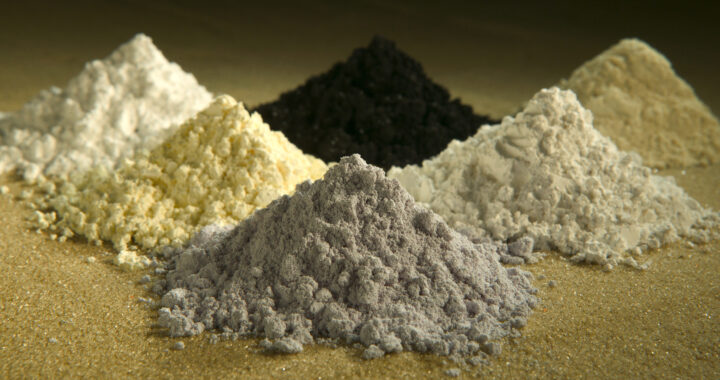
Rare earths are a group of 17 rare metallic elements used in electric vehicles, wind turbines, various consumer electronics, batteries, and fighter aircraft. China dominates the sector. Data from the International Energy Agency show that the country specifically produces about 60 percent of the total global supply and handles almost 90 percent of global refining.
Nevertheless, by restricting exports, China is using its dominant position as a form of leverage. The strategy sends a message to the United States and its Western allies that it still holds a critical influence over important supply chains. This leverage becomes more critical as competition grows around clean energy and advanced manufacturing technologies.
The response in Europe has been sharp. European Commission President Ursula von der Leyen noted that the European Union is committed to using all relevant tools to counter what it perceives as economic pressure. Officials are now considering the anti-coercion instrument adopted in 2023. This allows trade retaliation against targeted restrictions.
European industries are already feeling the squeeze. Data from the European Commission showed that many European companies are struggling to obtain export licenses from China. This has caused serious production delays for electric vehicles, various high-technology components, and renewable energy systems that depend heavily on rare earth metals.
China has maintained that its rare earth export restriction is intended to protect national security and preserve environmental resources. Its Ministry of Commerce has specifically argued that rare earth mining causes environmental problems and that priority should go to domestic industries developing clean energy, digital technology, and defense systems.
The move has also been seen as part of the broader strategy of China to push back against Western economic pressure. It is worth noting that the United States, Japan, and the European Union have each begun investing in new rare earth mines in Australia, Canada, and Africa to reduce their reliance on Chinese materials and refine their own supplies.